


-

Add: HeBei ShengShi HongBang Cellulose Technology CO.,LTD.
-

Email
13180486930@163.com -

CONTACT US
+86 13180486930


Gentamicin with Hydroxypropyl Methylcellulose (HPMC) Eye/Ear Drops A Comprehensive Insight Gentamicin with Hydroxypropyl Methylcellulose (HPMC) eye/ear drops represent a significant advancement in therapeutic treatments for ocular and auditory infections. As infections in these areas can severely impair daily functions, the efficacy and safety of medications are of utmost importance. This article explores the intricate balance between patient experience, professional insights, authoritative knowledge, and trust issues in the use of gentamicin with HPMC drops. Experience User-Centric Outcomes Patients seeking treatment for bacterial infections in the eyes or ears often endure discomfort and anxiety. Gentamicin, an aminoglycoside antibiotic, targets and eradicates susceptible bacterial strains, providing relief from symptoms such as redness, swelling, and discharge. When combined with HPMC, a biocompatible polymer acting as a lubricant, users experience enhanced comfort. The addition of HPMC not only facilitates prolonged contact time with the mucosal surface but also reduces the irritation that can be associated with gentamicin alone. Patients report a soothing sensation upon administration, leading to an overall positive experience during the course of treatment. Expertise Professional Insights on Efficacy and Safety The mechanism of action of gentamicin involves inhibiting bacterial protein synthesis, making it highly effective against a broad spectrum of pathogens including Pseudomonas aeruginosa, Staphylococcus aureus, and Escherichia coli. Research and clinical trials underscore its efficacy, particularly in treating acute and chronic conditions of the eyes and ears. HPMC complements this action by serving as a viscosity enhancer. This ensures that gentamicin remains in contact with the infected site longer, enhancing its bacterial killing properties while providing a shield that minimizes mechanical irritation. Healthcare professionals emphasize the drop’s dual functionality in infection control and symptom alleviation. gentamicin with hpmc eye/ear drops Authoritativeness The Science Behind the Solution Gentamicin with HPMC eye/ear drops are backed by extensive laboratory research and clinical studies, establishing their authority in the treatment of bacterial infections. Pharmacological studies detail the pharmacokinetics involved, highlighting the drug’s absorption, distribution, metabolism, and excretion patterns. Moreover, the combination is approved by various international health authorities, reflecting rigorous assessments of its therapeutic benefits and safety protocols. Leading ophthalmologists and otolaryngologists recommend this formulation considering its lower side effect profile compared to other antibiotics, ensuring its authoritative stance in medical treatments. Trustworthiness Building Confidence in Treatment The trust placed in gentamicin with HPMC is a culmination of transparency in clinical findings and patient outcomes. Adverse reactions are minimal, with most being mild and transitory, such as temporary burning or stinging sensations. This transparency, coupled with ongoing pharmacovigilance, reassures both patients and medical practitioners of its reliability. The consistency in manufacturing practices, adherence to top-tier quality control standards, and availability of patient information leaflets further boost confidence. Patients can trust this product to deliver safe and effective treatment, aligned with current medical standards and patient care principles. In conclusion, gentamicin with HPMC eye/ear drops embody a sophisticated solution to bacterial infections, valued for their efficacy, patient-friendly formulation, and steadfast safety profile. By integrating expertise with empathetic patient experience , this treatment stands as a paragon of modern pharmaceutical care. Patients and healthcare providers can trust in its ability to restore health with minimal discomfort, ensuring a high standard of therapeutic care.
- 40000tons

Production
- 20+years

Experience
- 5000+㎡

Acreage

-
The Producers of Starch Ether An Overview Starch ethers are innovative chemical derivatives produced from starch, a polysaccharide that serves as a primary energy source in many plants. These derivatives are essential in various industries, including food, pharmaceuticals, cosmetics, and papermaking, due to their unique properties. In this article, we will explore the key producers of starch ethers, their manufacturing processes, and their applications. Understanding Starch Ethers Starch ethers are formulated by reacting starch with etherifying agents. This process modifies the starch, enhancing its solubility, viscosity, and thermal stability. Common etherifying agents include ethylene oxide, propylene oxide, and chloroacetic acid. The resultant starch ethers possess characteristics that are highly beneficial for different applications, such as improved binding, thickening, and film-forming properties. Key Producers in the Industry . 2. Roquette Frères A worldwide leader in plant-based ingredients, Roquette Frères specializes in starch derivatives, including starch ethers. Their extensive product range caters to diverse industrial needs, and they focus on producing sustainable, high-performance solutions. Roquette emphasizes continuous innovation, aiming to provide cutting-edge products to enhance the functionality of food, nutraceuticals, and cosmetics. производители эфира крахмала 3. Tate & Lyle Tate & Lyle is renowned for its expertise in food ingredients and solutions. The company produces various starch-based products, including starch ethers. With a strong focus on health and wellness, Tate & Lyle develops formulations that support clean label initiatives while meeting the demands for texture and performance in food products. 4. ADM (Archer Daniels Midland Company) ADM is a global leader in agricultural processing and one of the top starch ether producers. The company’s vast network and expertise allow for the efficient production of starch derivatives. ADM's focus on innovation and sustainability ensures the development of solutions that meet the evolving needs of the market. 5. Ashland Global Holdings Inc. Ashland is known for its specialty chemicals and has a significant portfolio of starch derivatives. The company's starch ethers find widespread applications in personal care products due to their thickening and film-forming capabilities. Ashland's commitment to research enables them to provide customized solutions across various industries. Applications of Starch Ethers Starch ethers are utilized in a multitude of applications. In the food industry, they serve as thickeners and stabilizers, enhancing texture and shelf life. In pharmaceuticals, they improve the formulation of medicines, acting as excipients that aid in the drug delivery process. The cosmetics industry benefits from their film-forming and moisturizing properties, while the papermaking sector uses them for improved adhesion and viscosity. Conclusion The production of starch ethers is a thriving sector due to their versatility and functional benefits across various industries. Leading companies like Cargill, Roquette, Tate & Lyle, ADM, and Ashland play crucial roles in the supply chain, constantly innovating to meet market demands. As industries continue to prioritize sustainability and performance, the relevance of starch ethers is only set to grow, making it an exciting area for future developments.
-
Hydroxypropyl Methylcellulose (HPMC) stands as an innovative polymer solution , lauded for its multifaceted applications across various industries. This versatile compound, classified under nonionic cellulose ethers, has emerged as a pivotal player in enhancing the functionality and performance of a plethora of products, from construction materials to pharmaceuticals, and even food and personal care items. Real-world applications of HPMC are a testament to its exceptional qualities. In the construction industry, it is integral in improving the properties of materials such as cement and gypsum. Contractors and engineers often highlight their personal experiences using HPMC as a reliable additive. Its functions in enhancing water retention, workability, and open time are well-documented, contributing to more efficient building processes and superior quality finishes. HPMC's ability to improve the texture and adhesion of construction components exemplifies its indispensable role in modern construction practices. From a professional standpoint, the pharmaceutical industry champions HPMC as a critical component in formulating controlled-release medications. Its non-toxic and biocompatible nature ensures safety and efficacy, forming an essential part of many oral and topical pharmaceuticals. Pharmacists and drug manufacturers praise HPMC for its ability to control the release profile of active ingredients, improving therapeutic outcomes and patient adherence. Additionally, its role in creating clear, stable suspensions in liquid medications underpins its professional endorsement. The authority of HPMC extends into the food industry, where it acts as a thickener, stabilizer, and emulsifier. Food scientists regularly emphasize its importance in maintaining the texture and consistency of processed foods. HPMC's heat-resistant properties make it ideal for improving food viscosity without altering taste or nutritional content, earning the trust of chefs and culinary professionals alike. Its use in gluten-free baking to enhance dough elasticity and maintain moisture serves as a perfect example of its authoritative position in food science. hydroxypropyl methylcellulose Trust in HPMC is further anchored by its regulatory approvals from agencies like the FDA and the EFSA. These endorsements underscore its safety and applicability in consumer products, fostering confidence among manufacturers and consumers. The transparency in its sourcing and manufacturing processes ensures that HPMC meets stringent quality standards, thus reinforcing its reliability and integrity. Beyond its technical benefits, HPMC is revered for its environmental friendliness. Professionals across various sectors increasingly acknowledge its sustainable production, which aligns with global movements towards greener manufacturing practices. Its biodegradability and derivation from natural cellulose enhance its appeal as an eco-conscious alternative to synthetic additives, further cementing HPMC as a preferred choice among environmentally aware businesses. The future potential of HPMC continues to expand as research and innovation unveil new possibilities and applications. Industries constantly seek improved formulations, and HPMC's adaptability to new demands speaks to its enduring relevance. As experts delve deeper into unlocking its untapped capabilities, it's clear that HPMC will remain a staple across multiple domains, continually shaping and enhancing industry standards. In conclusion, Hydroxypropyl Methylcellulose is more than just a versatile polymer; it's a cornerstone of contemporary product development and innovation. Its application breadth, coupled with authoritative endorsements and a robust track record of trust, makes HPMC a vital component in advancing industry practices and consumer products. As industries evolve, professionals and consumers alike can rely on HPMC to deliver quality, performance, and sustainability.
advantages
-

200000 Viscosities
Excellent product
We can produce pure products up to 200,000 viscosities
-

40000 tons
High yield
We don’t stop production all year round, and the annual output can reach 40,000 tons
-

24 hours
Quality service
We provide 24-hours online reception service, welcome to consult at any time
———— Inquiry Form
Schedule A services

-
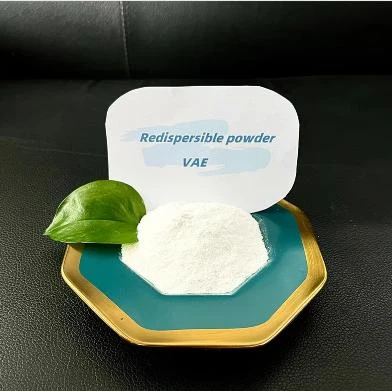 mix_design_of_polypropylene_fiber_reinforced_concrete
Oct . 25, 2025
The evolution of modern construction materials has positioned starch ether as an indispensable compo -
 kizuia_jasi
Oct . 25, 2025
The pharmaceutical industry increasingly relies on advanced polymer solutions for efficient drug for -
 wanga_ether_hutumia
Oct . 25, 2025
The rubber powder production line is a revolutionary method for recycling used tires and rubber mate


